
News
Government of National Unity
Publication Date: 08/07/2024
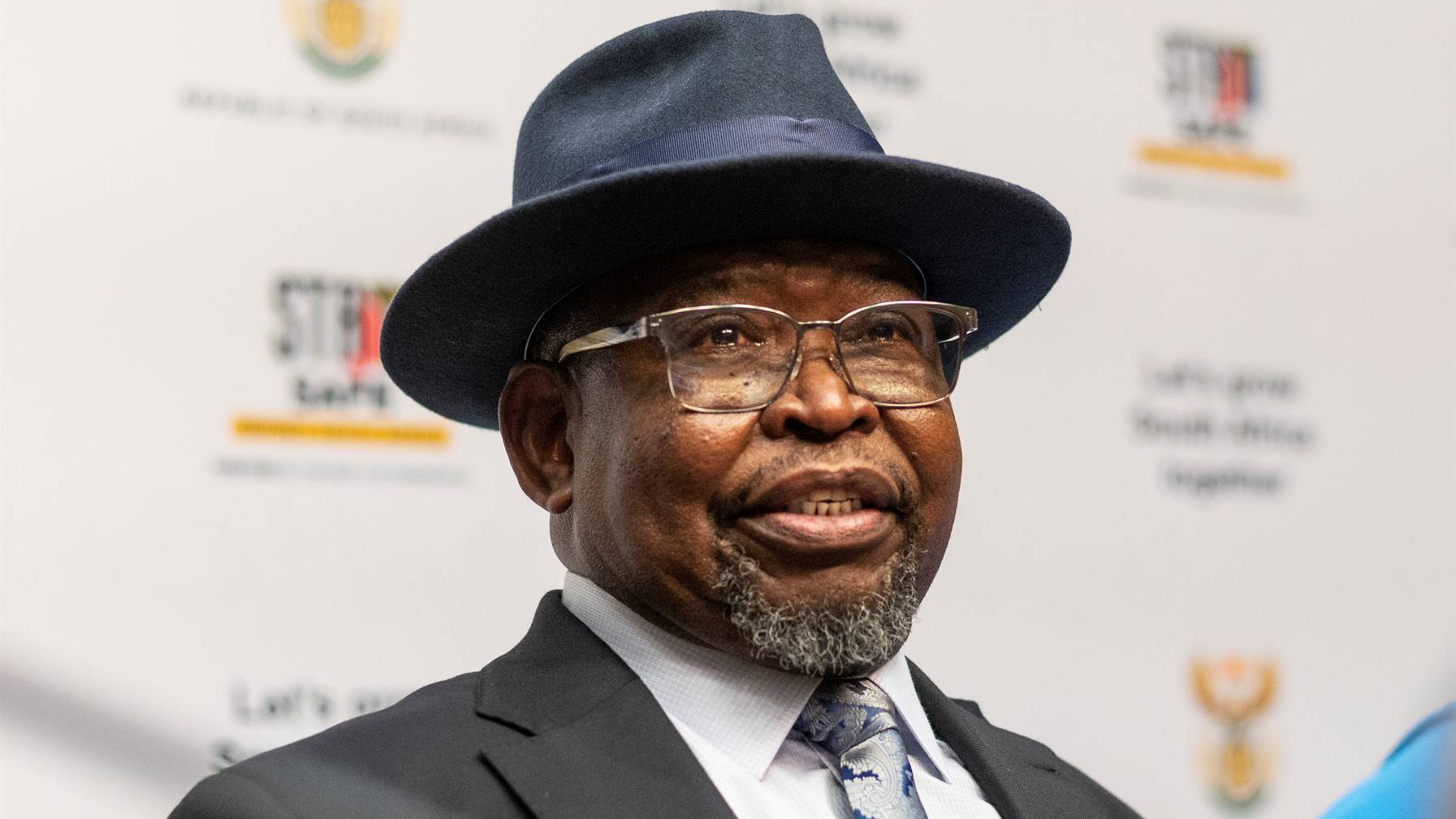
The Appointment of the Government of National Unity Cabinet
The re-appointment of Enoch Godongwana, as Minister of Finance, and David Masondo as Deputy Minister of Finance, is an important signal that the Government of National Unity will continue to implement fiscal policies aimed at maintaining responsible, sustainable spending on social and economic infrastructure and reducing national debt.
The appointment of Ashor Sarupen, as an additional Deputy Finance Minister, will increase the capacity of a team that has the vital task of restoring South Africa’s fiscal health and bolstering inclusive economic growth, the only way to tackle the unemployment, poverty and inequality that threatens social stability in the country.
BASA and its member banks have had a constructive working relationship with Minister Godongwana during his first term in office. Outcomes that have benefitted South Africa include banks’ participation in the National Treasury Energy Bounce Back Scheme, which helped alleviate the impact of loadshedding on small businesses. Also, in support of a just transition to sustainable energy, the ‘big four’ banks alone provided over R318 billion in sustainable finance between 2022 and 2023. Banks are also active in the business partnerships with government that have reduced loadshedding, improved transport and logistics infrastructure and operations, and which are strengthening the national capacity to tackle crime and corruption.
BASA looks forward to engaging with the new Minister of Small Business Development, Stella Ndabeni-Abrahams; and the Minister of Trade, Industry and Competition, Parks Tau, on the work already underway to build partnerships to support inclusive economic development.
The business of banking is to provide financing for investment in sustainable, commercially sound companies, entrepreneurs, and economic infrastructure, which in turn supports economic growth and job creation. Looking towards the future, the banking industry’s economic priorities under the new administration include:
- The reduction of government debt to sustainable levels. In its latest Financial Stability Review, the South African Reserve Bank (SARB) warned that South African banks and financial institutions are over-exposed to government debt, leaving them vulnerable to a common risk and reducing their capacity to lend to the private sector. Government bonds make up about 11% of bank assets.
- The removal of South Africa from the Financial Action Task Force (FATF) grey list of countries that have weaknesses in their capacity to fight financial crime. Banks are supporting the work of National Treasury to remediate weakness in the country’s anti-money laundering, terrorism financing and financial crime systems. If South Africa is not removed from the grey list in a timely manner, the country’s access to international financial markets and investment, will be increasingly hampered.
- Banks have partnered with the government to strengthen the forensic and financial crime analysis capability of state agencies. They diligently adhere to the letter and spirit of domestic and international laws and regulations aimed at strengthening the integrity of the financial system and preventing its abuse by those intent on crime and corruption.
- Weak economic growth and high interest rates have made it more difficult for households and businesses to service their debt and reduced appetite for credit. Banks have needed to make increased provision for bad debt, which reduces their capacity to fund investment. Inclusive economic growth must be bolstered by reducing red-tape and resolving infrastructure and operational constraints to the expansion of business and investment.
The Finance Ministry and National Treasury cannot resolve these challenges on their own. The politically diverse Cabinet must now unite behind a coherent economic development programme that is driven and enforced by the President. Ministries – especially those in the economic cluster – must work as a coherent whole, in the national interest. The successes of Operation Vulindlela, a joint initiative of the presidency and the National Treasury, shows what can be achieved when government departments work together to unblock constraints to growth. Vulindlela has been able to usher through reforms that are making a difference to long-standing challenges in the provision of energy, logistics, water, digital spectrum and the issuing of work visas. It is important that this initiative goes on to tackle the crisis in local government, where disfunction prevents big and small businesses from operating effectively, hampering their expansion and ability to create jobs.
The new cabinet ministers, through their parties, have committed to the ‘Statement of Intent of the 2024 Government of National Unity’, which includes: “respect for the Constitution, the Bill of Rights in its entirety, a united South Africa and the rule of law; social justice, redress and equity and the alleviation of poverty; evidence-based policy and decision-making; and integrity, good governance and accountable leadership”. These are basic preconditions for consumer, business and investor confidence, without which accelerated inclusive economic growth will be difficult – to impossible – to achieve.
Top of the ‘minimum basic priorities’ is: “rapid, inclusive and sustainable economic growth, the promotion of fixed capital investment and industrialisation, job creation, transformation, livelihood support, land reform, infrastructure development, structural reforms and transformational change, fiscal sustainability, and the sustainable use of our national resources and endowments. Macro-economic management must support national development goals in a sustainable manner.”
Banks have clearly indicated that they are ready to put their balance sheets to work in support of economic growth, job creation and prosperity for all, if a sustainable, enabling operating environment is in place. Already, the ‘big four’ banks alone provided an estimated R350 billion in finance to the manufacturing sector, R209 billion to agriculture, R145 billion for infrastructure, and R258 million in retail lending to small businesses in 2023. These numbers highlight that the business of banking inherently contributes to South Africa’s development and the aims of the statement of intent. A well-capitalised, stable, well-regulated and professionally managed banking industry is a national asset that must be valued.
BASA wishes the new Cabinet well and looks forward to partnering with them to attract investment and facilitate the inclusive growth South Africa needs to build prosperity for all its people.
Kunene is the Managing Director of The Banking Association South Africa.
Note: Information in the press release was updated 16 August 2024.