
News
The 2024 Medium Term Budget Policy Statement
Publication Date: 30/10/2024
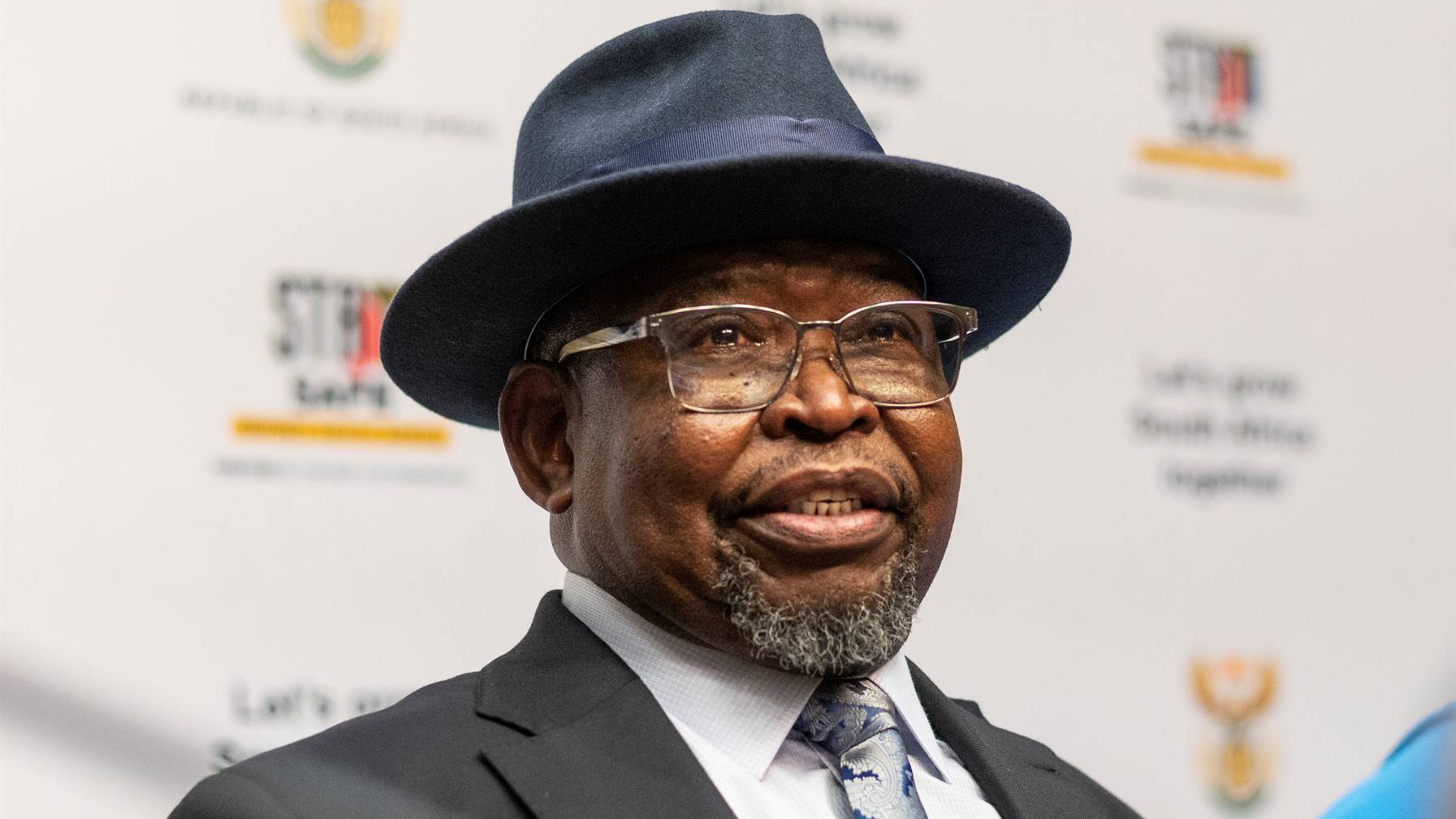
The Medium Term Budget Policy Statement (MTBPS) had to put in place the policies needed to turn increasing confidence in South Africa into investment opportunities in the economic infrastructure necessary for business growth and job creation. It succeeded.
- Policies that promote increased opportunities for meaningful investment partnerships with business in vital economic infrastructure have been set out.
- The MTBPS continues to strengthen responsible fiscal management in South Africa; with government continuing to focus on reducing debt to a sustainable level. Government remains on track to achieve a primary budget surplus, which will further boost investor confidence.
- Government remains committed to protecting the social wage, to provide necessary social support and security to vulnerable South Africans. Social stability is an important part of consumer, business and investor confidence.
The MTBPS is subdued, but the lack of big-ticket spending and bailouts for state-owned enterprises shows that government has the political will to get its finances in order. Rather than spend inefficiently, it has committed to deliver on policy reforms that are necessary to attract private sector investment and skills into vital economic infrastructure. This opens the way for partnerships with business to repair and replace water and transport infrastructure, and to improve local government operations and services – which have rapidly emerged as immediate threats to South Africa’s economic recovery.
A dedicated capacity to create a credible pipeline of projects that can be taken to market, as well as an improved capital budgeting process and the de-risking of public sector projects are essential to unlocking private sector investment in infrastructure. There is no investment strike in South Africa but concrete projects, policy certainty, the pragmatic and efficient implementation of regulation and legislation, and a growing economy, are all needed to attract investment.
The minister correctly lauded the considerable progress that has been made in South Africa’s Action Plan to exit the Financial Action Task Force (FATF) grey list of countries that have weaknesses in their capacity to fight financial crime. The timely removal of South Africa from the grey list will not only reduce the compliance costs and complications of doing business with South Africa but will also strengthen the fight against crime and corruption in the country, to the benefit of all its citizens.
After its latest review, FATF concluded that South Africa has “largely addressed 16 of the 22 action items” required to ensure its anti-money laundering and terror financing capacity met international standards. However, the most challenging outstanding item is the sustained, successful prosecution of financial crimes. The creation of a “capable, ethical and developmental government” must include the further bolstering of the criminal justice system.
A hoped for increase in the growth forecast for this year did not materialise, with National Treasury penciling-in a disappointing expansion of 1,1% in 2024 and an average of 1,8% over the medium-term. But there is hope that the economy might over-deliver. Given the real improvements in the business operating environment and investor sentiment, South Africa’s economic outlook is the best it has been for many years.
This is in part because the Government of National Unity (GNU) has so far shown a better ability to improve governance and implement necessary economic and fiscal reforms, which has boosted business, investor and consumer confidence.
But confidence is a fragile thing and political and social risk is always a concern in a deeply unequal society. It is the responsibility all who are part of the GNU to be considered in their remarks – and avoid brinkmanship – when, as must be expected, there are difference between parties. It is a cause for hope for the future that while there may be differences about the practicalities, many stakeholders in the economy are agreed that it is only by facilitating economic growth and effective partnerships that South Africa will be able to manage its competing priorities of reducing debt, while investing in its economic infrastructure and its people.