
News
BASA Statement on the 2026 Budget Speech
Publication Date: 26/02/2026
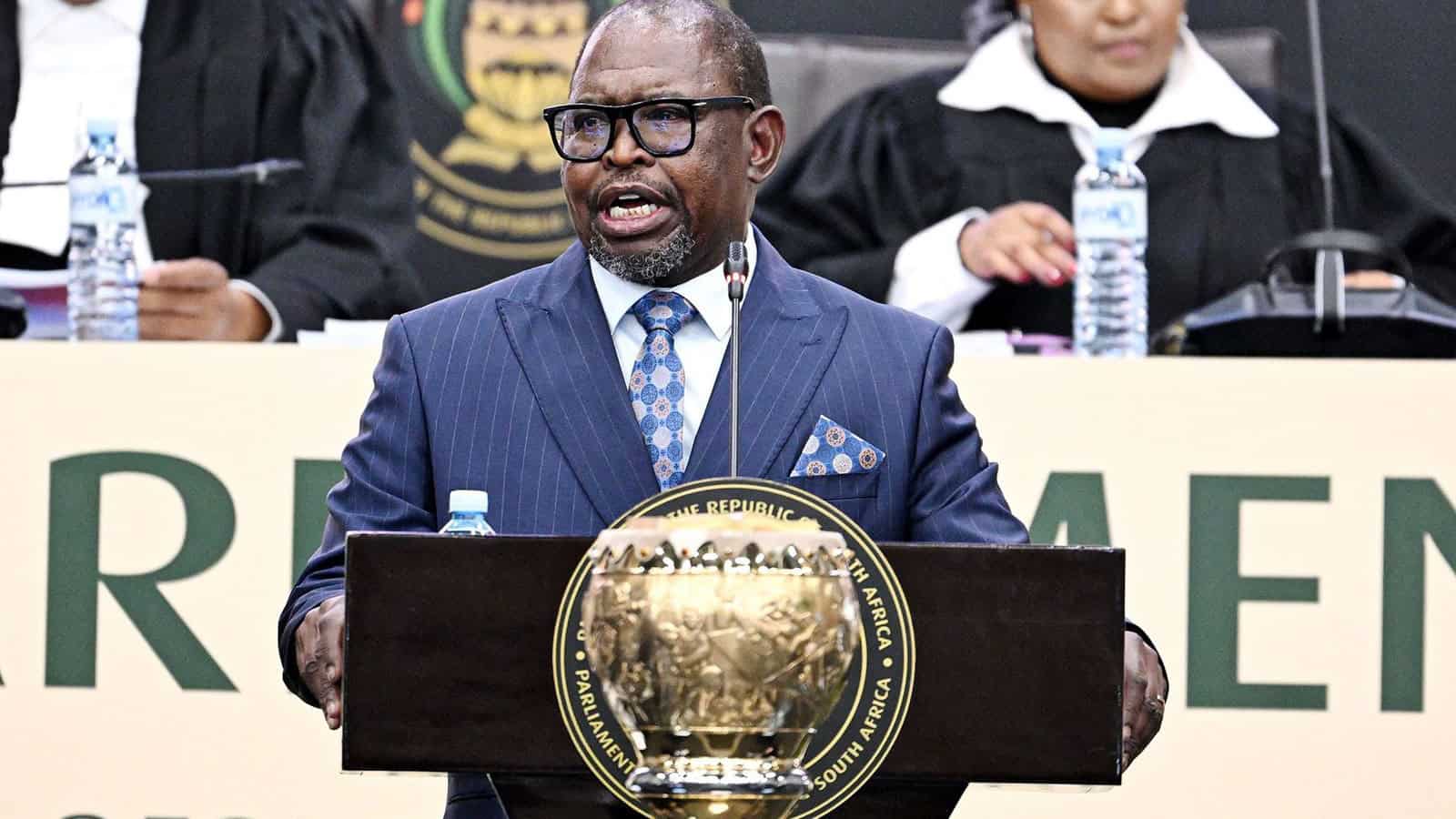
The Minister of Finance, Enoch Godongwana, and the National Treasury have made the best possible use of a R21,3 billion tax revenue windfall: providing South Africans with some tax relief, while continuing to invest in economic infrastructure and reducing the cost of the national debt. The 2026 speech is a ‘good news’ budget, which will help increase the positive momentum building in the economy and the country.
The expected steady decrease in gross debt as a percentage of gross domestic product (GDP), along with growing primary budget surpluses, will boost investor confidence in the country’s fiscal management. The introduction of a proposal for a fiscal anchor in the Medium Term Budget Policy Statement (MTBPS) will further strengthen lenders’ confidence in the country. This is important as it will likely lead to further reductions in the cost of debt for South Africa and an improvement in the country’s credit rating, making it more attractive for the investment needed to grow the economy.
No increase in value-added tax and the adjustment of tax measures, to ease the financial burden of households, is also good for consumer confidence. South Africans across the spectrum are struggling with the cost of living.
The increase in the VAT registration threshold for small business is an important signal that the government is committed to supporting small businesses, but much more needs to be done to reduce their regulatory burden and to make it easier for them to access finance. The Banking Association South Africa (BASA) and its members will continue to work with the relevant authorities to make it easier for small businesses to meet the requirements to access finance.
BASA and its members share the commitment of National Treasury and the Financial Sector Conduct Authority (FSCA) to ensuring that customers are treated fairly and will continue to work with them to achieve this. Banks are working closely with the South African Reserve Bank (SARB) and other stakeholders on the modernisation of the National Payments System. A governance framework for crypto assets is also important to allow South African financial services to continue to be at the forefront of innovation, in a clear, well-regulated operating environment.
Increased spending on law enforcement and the justice system is essential. Crime undermines consumer, business and investment confidence and often disrupts infrastructure development. South Africa must also be able to demonstrate its ability to investigate and successfully prosecute financial crimes, if it is to stay off the Financial Action Task Force (FATF) grey list of countries who have weaknesses in their ability to combat financial crime.
As the minister correctly pointed out, investment in infrastructure is the foundation of sustainable, economic growth, improved service delivery and job creation. As important as the continued allocation of expenditure to infrastructure are efforts to ensure that municipalities are better able to administer funds allocated for building and managing and maintaining essential infrastructure. Without proper administration and functioning municipal infrastructure, businesses and households will continue to incur debilitating costs, which will reduce resources available to increase their economic activity and quality of life.
The revenue windfall has given South Africa much needed breathing room to consolidate and progress its economic reforms. But South Africa cannot rely on windfalls, and many domestic and international economic risks lie in wait.
It is now up to the responsible departments to ensure that the funds allocated to them are administered honestly, spent efficiently and result in tangible social and infrastructure developments which improve lives and the business environment.