
News
BASA Statement – 2025 State of the Nation Address
Publication Date: 07/02/2025
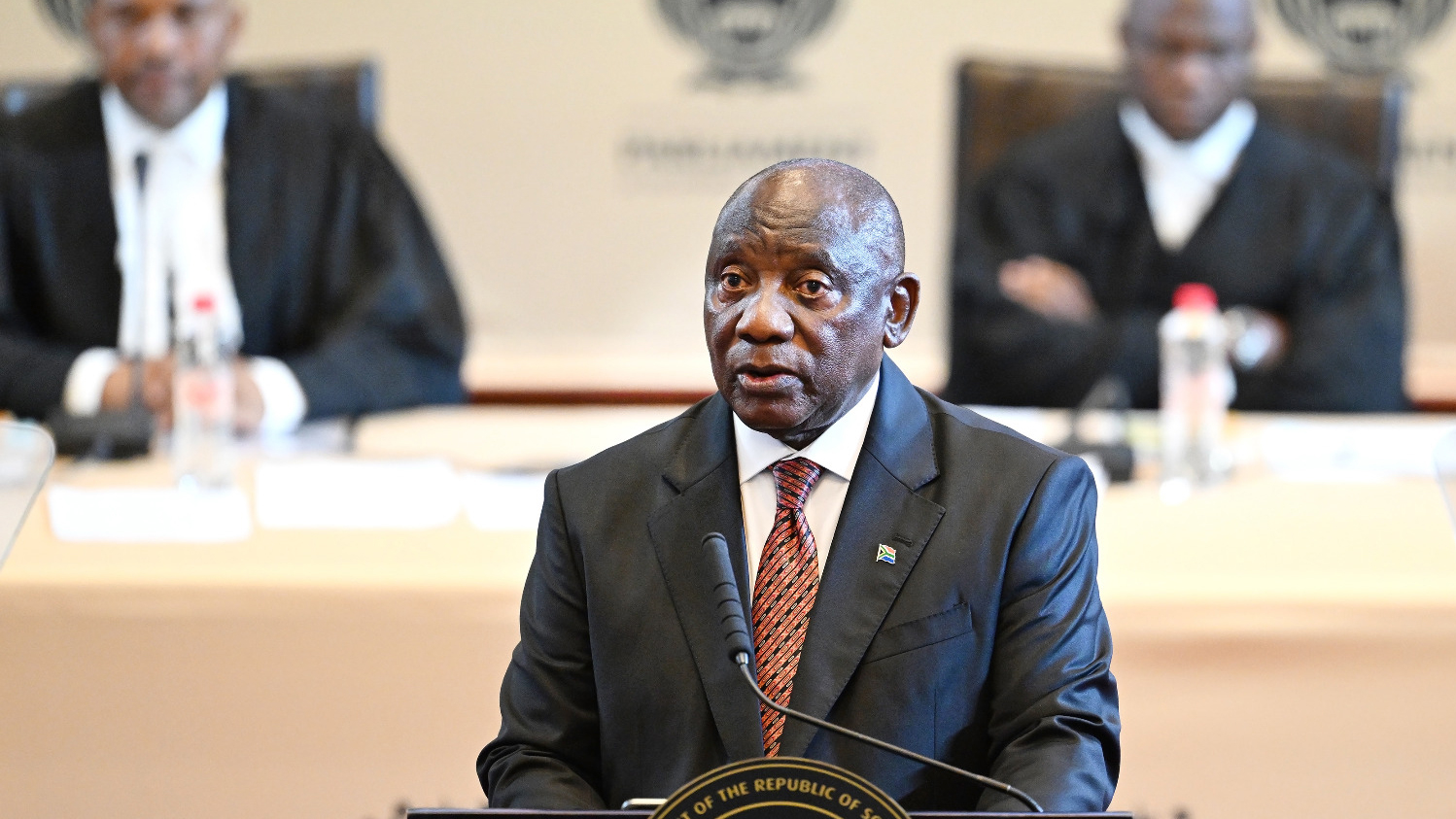
In the 2025 State of the Nation Address (SoNA), President Cyril Ramaphosa announced plans to build on recent successes in removing blockages to economic growth in South Africa, to lift economic expansion to above three percent and create a virtuous cycle of investment, growth and jobs. This can be achieved.
Replicating the successes of partnerships to restore energy security and rail freight is possible if government moves with urgency on its plans to facilitate private sector investment in economic infrastructure. The announced efforts to reform the public service and build the capability of the state are key. Economic and social development in South Africa will not take-off without a “government that works for the people”, that can be pragmatic and responsive to the needs of business and investors, and efficiently implement supportive government policies and programmes.
BASA and its members look forward to more detail on the revised and innovative regulations for public private partnerships, which will unlock private sector expertise and funds. South African banks and business have long made it clear that policy certainty and pragmatic regulations will unlock the investment needed to finance productive economic infrastructure, such as roads, ports and water infrastructure. Businesses need commercially viable, sustainable projects to invest. The establishment of professionally managed, ring-fenced utilities for water and electricity services will assist in ensuring that there can be adequate investment and maintenance of these public services, which are essential to the survival of communities.
The president’s commitment to “clear the backlog of title deeds for subsidised housing, turning homes into household assets” will do much to promote financial inclusion and inclusive economic growth. Beneficiaries that are given a legal title to an asset can leverage it to responsibly access finance to start small businesses or for personal development. This is likely to do much– without the expense and bureaucracy of setting up funds – to promote empowerment and economic transformation.
Securing South Africa’s removal from the international Financial Action Task Force grey list of countries that have weaknesses in their anti-financial crime capacity, is essential to removing a deterrent to foreign investment and easing access to the global financial system.
While the considerable progress in addressing the weaknesses identified in our law enforcement system is an achievement that must be acknowledged, South Africa’s ability to successfully investigate and prosecute financial crimes remains the most difficult of the outstanding requirements of FATF. The results of a “world-class digital forensics lab to support the investigation of complex corruption and financial crime with cutting-edge tools and expertise” must be witnessed, if the country is to be removed from the grey list.
Besides being a deterrent to business and investment, crime and corruption are a blight on the lives of SouthAfricans, and government efforts to reduce it must be supported.
Our hosting of the G20 – and the Business 20 – is an opportunity to promote South Africa as a business and investment destination, and for the country to take the lead on global economic challenges, like international financial stability, climate change mitigation, financial inclusion, and sustainable development, among others. International efforts to manage these challenges can have a profound impact on the global and domestic regulatory environment of South African businesses and their operations.South Africa – and the world – faces a challenging 2025. The best way the country can prepare is to deliver on the policies and programmes set out in the SoNA, which can expand the economy, increase its resilience, and improve the lives of the majority of South Africans.
Mary Vilakazi
Chair: The Banking Association South Africa