
News
BASA Statement on the 21 May 2025 Budget
Publication Date: 26/05/2025
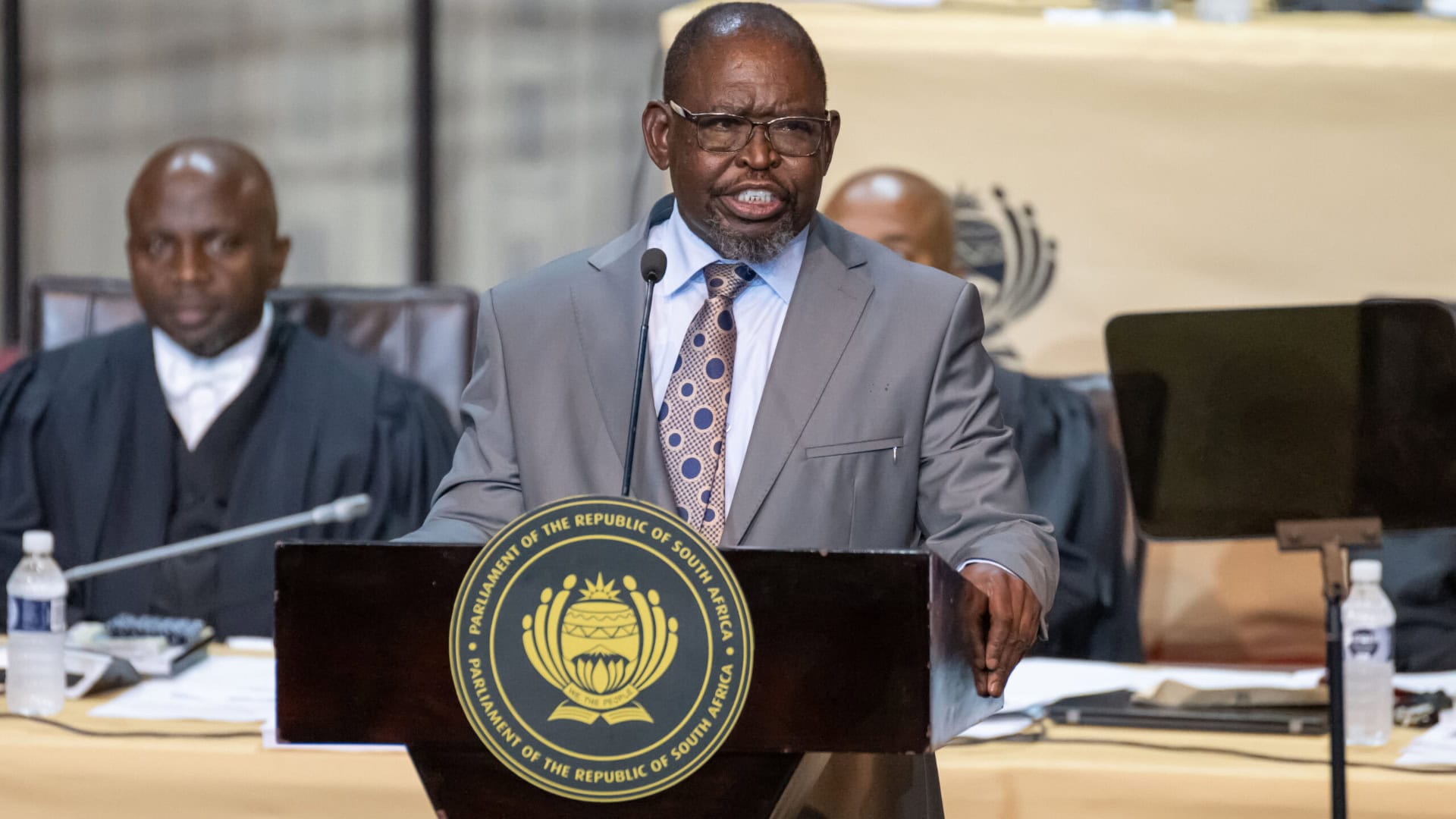
The Minister of Finance, Enoch Godongwana had to present a budget that prepares South Africa for more global volatility, while also managing domestic political pressure to spend on social development and economic infrastructure, and without unsustainably increasing debt. He succeeded, within the country’s limited means.
The minister had to forgo planned increases in spending to reduce the need for more debt – but protected baseline allocations in electricity, water education, healthcare and social grants.
It is the responsibility of government to create an enabling environment for business and job creation, with sound, pragmatic regulation and by investing in economic infrastructure. The R1 trillion allocated to critical infrastructure is a necessary investment, but government must ensure that the money is well managed and spent. The business sector has experience and skills in investment and project management and the minister’s continued commitment to public-private-partnerships is welcomed, and will be vital to the success and sustainability of infrastructure projects.
The minister remains unyielding in his commitment to responsible fiscal management and stabilising debt levels. But despite the responsible budget, the country’s economic outlook remains weak, with the minister penciling in 1,4% growth for 2025. The outlook highlights the need for faster implementation of the structural reforms mentioned by the minister such as improving public infrastructure, improving local government, the release of publicly owned land and clearing the backlog of title deeds.
While welcomed, Operation Vulindlela alone is not enough, and a holistic approach is needed to reduce red-tape and wasteful expenditure across all spheres of government, improve the ease of doing business and attract more investment, among others. There needs to be a much greater sense of urgency in government in implementing spending reviews and strengthening effective governance.
As the minister indicated, economic growth and better governance and administration can help the country avoid an increase in taxes in 2026, to close an expected R20 billion revenue shortfall. Despite lower inflation forecasts in the budget, the increase in the fuel levy risks being inflationary across the economy, particularly if the lower global oil price does not persist.
As important as the numbers, is the support expressed for the budget by parties in the Government of National Unity (GNU). Earlier disputes around the budget tested the resilience of the GNU and the outcome achieved in securing the political support of parties in the GNU will do much to boost business and consumer hopes for improved policy certainty and governance in the country.